DC360 — Dental Clinic 360 logo
DC360 — dental clinic logo

Root canal retreatment

When inflammation persists or reappears after previous endodontic treatment, through retreatment we strive to find the cause of the problem and save the tooth once again.
A DC360 team member beside the dental light
CANDIDATES

When is an audit needed?

A previously treated tooth can remain stable for years, but in certain cases, symptoms or inflammatory changes may reappear.

A revision may be considered if:
  • the previously treated tooth hurts again
  • you feel discomfort or pain when biting
  • a swelling or fistula has appeared
  • The change around the root is still present on the scan
  • previous treatment did not lead to the expected healing
  • A new cavity allowed bacteria to regain access to the interior of the tooth
  • the filling or crown no longer fits the tooth properly
  • existing root canals are not fully treated

What is endodontic retreatment?

Retreatment involves reopening an endodontically treated tooth and accessing its root canals.

The previous filling is removed so that the canals can be re-examined, cleaned, treated, and refilled.

The goal is to eliminate or reduce the cause of the persistent infection and to create conditions for the healing of the tissue around the root.
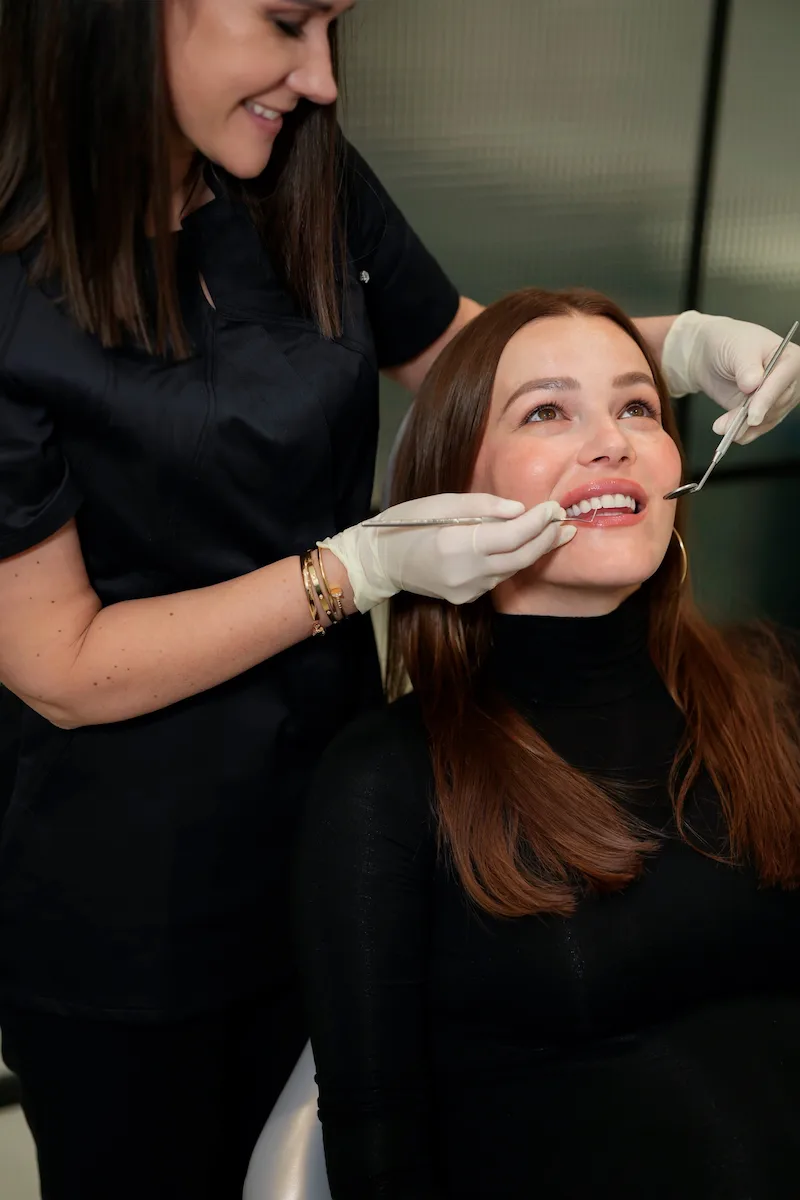
A dentist examining a patient's teeth in the chair
A dentist talking with a patient in a DC360 treatment room

Why does previous treatment sometimes need to be repeated?

Root canal anatomy can be very complex. Individual canals can be extremely narrow, curved, or difficult to access.

The problem can also arise later if bacteria penetrate the inside of the tooth again through a new cavity, a crack, or an inadequately sealed prosthetic work.

Therefore, before revision, we try to understand why the previous therapy did not lead to the expected result and whether the cause can be eliminated by retreatment.
DC360 PROCESS

What does an audit look like?

01

Review and diagnostics

We evaluate symptoms, existing treatment, and the condition of the root and surrounding tissue.
02

Retreatment of the tooth

If necessary, the existing filling or other work is removed to access the canals.
03

Removal of old filling

Material from previously treated canals is carefully removed.
04

Reprocessing

Root canals are re-cleaned, shaped, and inspected.
05

New filling

After treatment, the canals are refilled and sealed.
06

Final renovation

A corresponding filling or prosthetic tooth restoration is planned after the completed retreatment.
Advantages

The standard we set

Individual approach

We create every therapy plan according to your condition, needs, and expectations, without universal solutions.

Careful planning

We base implant therapy on diagnostics, analysis, and a clear explanation of all steps.

Natural aesthetic result

We design the prosthetic restoration so that it harmoniously blends into your smile, bite, and facial features.

The team leading you

A team of experts guides you through the process, from the initial examination to the final check and maintenance of the results.
PRICE

What affects the cost of an audit?

The price depends on the type of tooth, the number of root canals, the complexity of previous treatment, and any additional procedures.
After the diagnosis, we will explain the treatment options and expected costs to you.
Get to know us

A team dedicated to every smile

Dr. Marta Šeparović, founder and director of DC360
Marta Šeparović
founder and director
Ana Lucija Perković, doctor of dental medicine at DC360
Ana Lucija Perković
Doctor of Dental Medicine
Ivana Jukić, doctor of dental medicine at DC360
Ivana Jukić
Doctor of Dental Medicine
Lea Živoder, member of the DC360 team
Ivana Župić
Dental assistant
FAQ

Frequently asked questions

Is there anything else you are interested in? Contact us and we will get back to you shortly.

The reason can be a persistent or new infection, an untreated part of the root canal system, new caries, damage to existing work, or a tooth crack.

In certain cases, it can. The possibility of revision depends on the condition of the tooth, the root, and the previous treatment.

That might be because the existing filling and any other obstacles must first be removed before retreating the canal.

The procedure is most often performed under local anesthesia. After the treatment, temporary sensitivity or discomfort may occur.

The duration depends on the tooth's anatomy, the number of canals, and the complexity of removing the previous material. One or more visits may be required.

Depending on the cause of the problem and the condition of the tooth, apicoectomy or, when the tooth has an unfavorable prognosis, extraction may be considered.

Symptoms may subside before bone healing is visible on an X-ray. The condition is therefore monitored over a longer period as needed.

Not necessarily, but the existing prosthetic work needs to be evaluated. If it is damaged, leaking, or had to be removed to access the canals, a new restoration may be required.
Explore more

Related services

Root end resection (apicoectomy)

A stable, safe, and long-term solution for tooth replacement, with a treatment plan tailored to your smile.

Root canal treatment (endodontics)

A stable, safe, and long-term solution for tooth replacement, with a treatment plan tailored to your smile.

Aesthetic crowns

Crowns that protect a weakened tooth and restore its natural appearance and full function.

A DC360 team member on the phone beside the clinic's branded counter
Contact

Restore function, safety and a natural smile

Send an enquiry and we will get back to you within 24 hours.

"*" indicates required fields

This field is for validation purposes and should be left unchanged.
Full name*
Max. file size: 8 MB.
NEWSLETTER

Tips and news from the clinic

Useful tips, answers to frequently asked questions, and news from the clinic, straight to your inbox.