DC360 — Dental Clinic 360 logo
DC360 — dental clinic logo

Retainer

The final phase of orthodontic treatment that helps keep teeth in their new position after braces are removed.
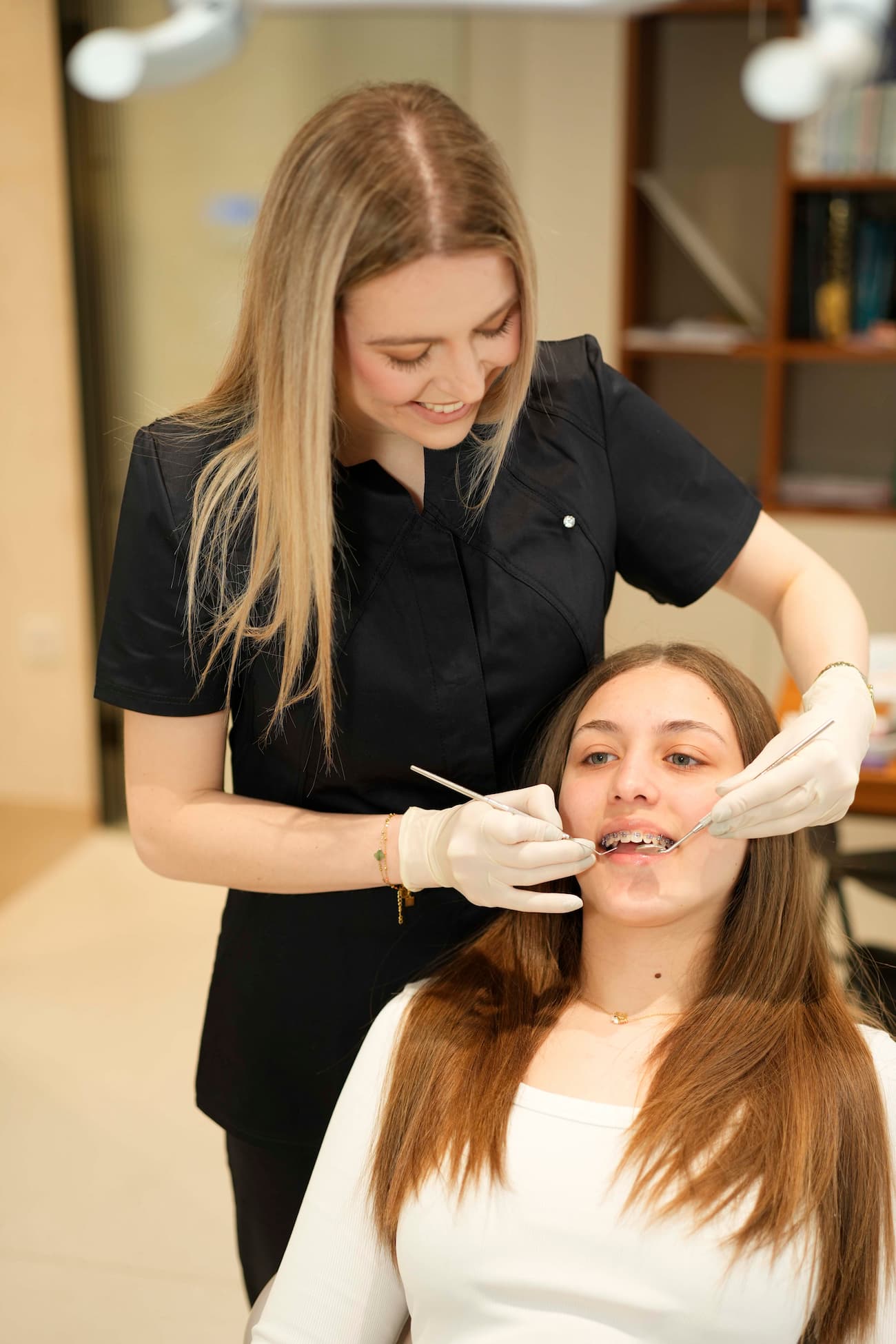
An orthodontic check-up of a girl with fixed braces
CANDIDATES

When is a retainer needed?

After orthodontic therapy, teeth tend to move toward their previous position. A retainer helps stabilize the result while the surrounding tissues adapt to the new tooth arrangement.

It is most commonly used after fixed braces or clear aligner therapy.

A retainer is important if:
  • You have finished fixed braces therapy
  • did you finish Invisalign or other aligner therapy
  • you want to maintain the achieved tooth position
  • if the existing retainer is damaged or no longer fits
  • you notice that the teeth are moving again after therapy
  • Your orthodontist recommended long-term retention

What is a retainer?

A retainer is an orthodontic appliance that maintains the teeth in the position achieved during active therapy.

It can be fixed or mobile. A fixed retainer is usually placed on the inside of the front teeth, while a mobile retainer is made as a removable splint that the patient wears according to the orthodontist's instructions.

For some patients, a combination of both types is used.
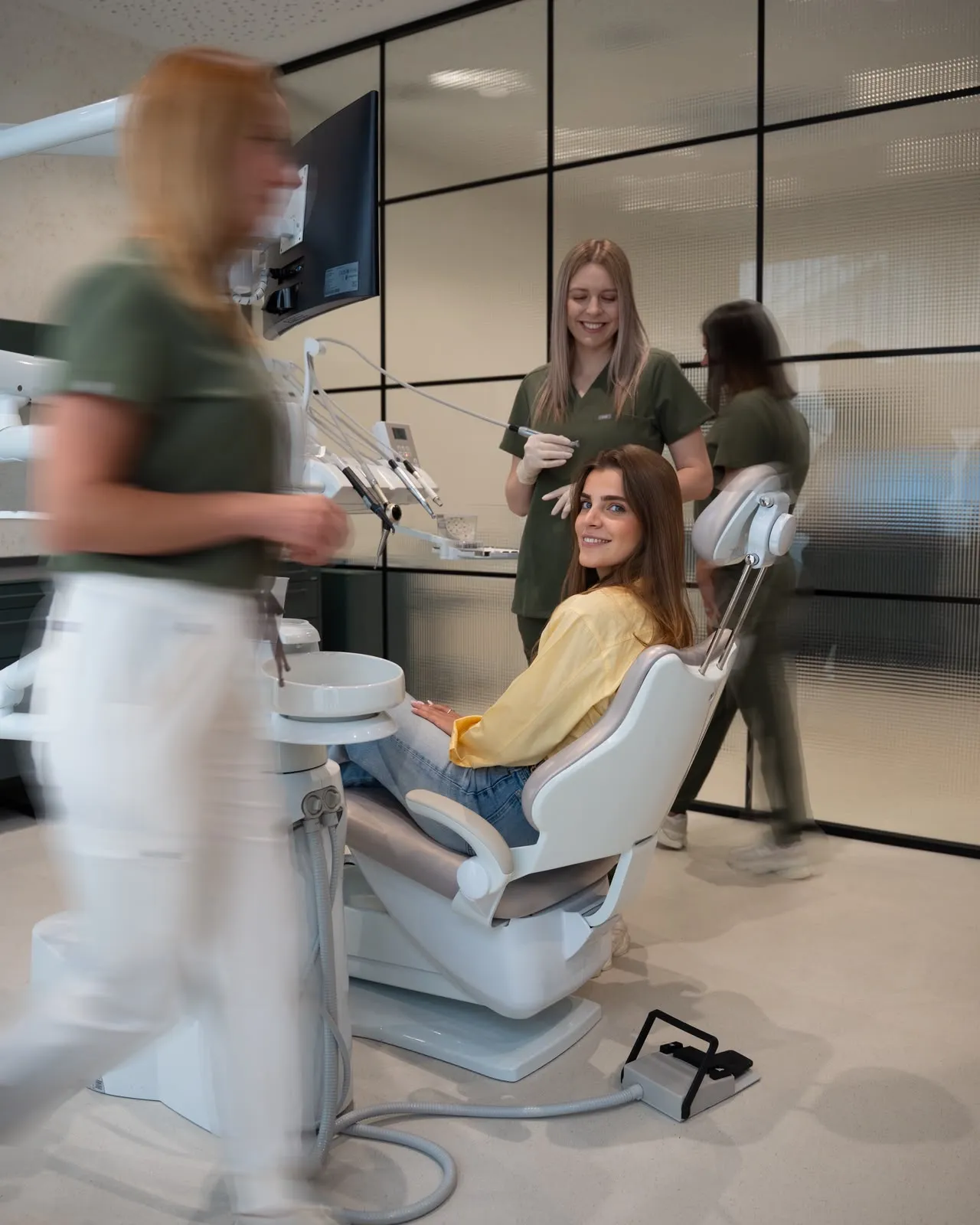
A DC360 dentist and assistant during a procedure
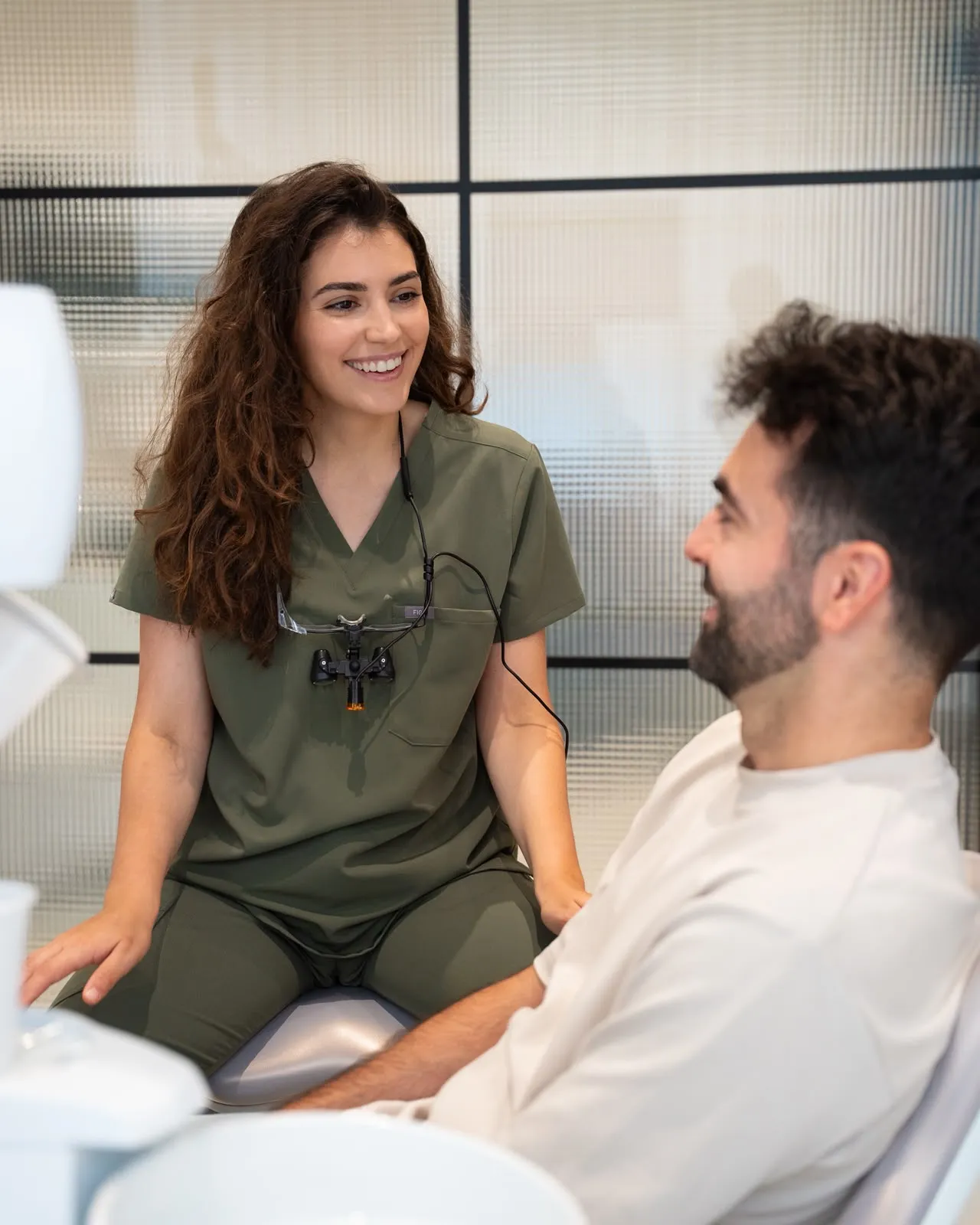
A dentist talking with a patient in a DC360 treatment room

Fixed or removable retainer?

A fixed retainer remains attached to the teeth and works continuously without the need for the patient to think about daily placement.

A removable retainer can be taken out and is easier to maintain, but it requires disciplined wearing according to the recommended schedule.

Which option is more appropriate depends on the position of the teeth, the type of previous therapy, and the risk assessment for relapse.
DC360 PROCESS

What does the retention phase look like?

01

Final assessment

After active therapy, we check the tooth position and bite stability.
02

Selection of retainers

We are determining whether a fixed, mobile, or combined approach is more appropriate.
03

Manufacture and installation

A retainer is made according to the final tooth position and is placed or delivered to the patient.
04

Wearing instructions

You receive clear instructions on how long and when it is necessary to wear a removable retainer.
05

Controls and long-term maintenance

We regularly monitor the condition of the retainers and adjust the wear schedule to ensure the long-term stability of the results.
Advantages

The standard we set

Individual approach

We create every therapy plan according to your condition, needs, and expectations, without universal solutions.

Careful planning

We base implant therapy on diagnostics, analysis, and a clear explanation of all steps.

Natural aesthetic result

We design the prosthetic restoration so that it harmoniously blends into your smile, bite, and facial features.

The team leading you

A team of experts guides you through the process, from the initial examination to the final check and maintenance of the results.
PRICE

What affects the price of a retainer?

The price depends on the type of retainer, the number of jaws, and whether it is a new retainer or a replacement for an existing one.
After the examination, you will receive a recommendation and information on expected costs.
Get to know us

A team dedicated to every smile

Dr. Marta Šeparović, founder and director of DC360
Marta Šeparović
founder and director
Ana Lucija Perković, doctor of dental medicine at DC360
Ana Lucija Perković
Doctor of Dental Medicine
Ivana Jukić, doctor of dental medicine at DC360
Ivana Jukić
Doctor of Dental Medicine
Lea Živoder, member of the DC360 team
Ivana Župić
Dental assistant
FAQ

Frequently asked questions

Is there anything else you are interested in? Contact us and we will get back to you shortly.

Retention duration varies from patient to patient. In many cases, long-term wear is recommended according to a regimen determined by the orthodontist.

Without retention, teeth can gradually shift from their achieved position. The extent of the movement is not the same in all patients.

A fixed retainer is attached to the inner side of the teeth, while a removable retainer can be taken out and put back on independently.

Sure. If you notice that the wire has detached from one or more teeth, it is recommended to schedule a check-up as soon as possible.

It is important to contact an orthodontist as soon as possible because the teeth can start to shift. A new retainer is made if necessary.

It needs to be cleaned regularly according to the orthodontist's instructions and stored in a protective case when not in the mouth.

Minor shifts are possible, especially if the retainer is not worn as instructed, gets damaged, or no longer fits properly.

Yes. It is necessary to regularly monitor whether the wire is stable and maintain good hygiene of the area around it.
Explore more

Related services

Fixed braces

A stable, safe, and long-term solution for tooth replacement, with a treatment plan tailored to your smile.

Removable braces

A stable, safe, and long-term solution for tooth replacement, with a treatment plan tailored to your smile.
Invisalign / clear aligners

A stable, safe, and long-term solution for tooth replacement, with a treatment plan tailored to your smile.
A DC360 team member on the phone beside the clinic's branded counter
Contact

Restore function, safety and a natural smile

Send an enquiry and we will get back to you within 24 hours.

"*" indicates required fields

This field is for validation purposes and should be left unchanged.
Full name*
Max. file size: 8 MB.
NEWSLETTER

Tips and news from the clinic

Useful tips, answers to frequently asked questions, and news from the clinic, straight to your inbox.