DC360 — Dental Clinic 360 logo
DC360 — dental clinic logo

Periodontal surgery

Surgical procedures on the gums and supporting tooth tissues that, when necessary, complement periodontal treatment and create conditions for more stable oral health.
A dentist adjusting the dental light above a patient
CANDIDATES

When is periodontal surgery needed?

Many gum problems are first treated with non-surgical procedures and improved oral hygiene.

Surgical intervention is considered when such an approach is not sufficient or when tissue anatomy needs to be further corrected to enable the treatment, maintenance, or protection of the tooth.

Periodontal surgery may be considered if:
  • there are deep periodontal pockets that cannot be cleaned sufficiently by non-surgical means
  • bone loss occurred around the tooth
  • The gums have receded significantly
  • The tooth root is exposed and sensitive.
  • it is necessary to correct the shape or amount of the gingiva
  • It is necessary to create better conditions for maintaining oral hygiene
  • The procedure is part of a broader prosthetic or aesthetic plan.

What does periodontal surgery include?

Periodontal surgery is not a single procedure, but a set of procedures that are applied depending on the condition of the gingiva, bone, and teeth.

It may include surgical cleaning of the area around the root, correction of periodontal pockets, regenerative procedures, coverage of receded gums, or gum contouring.

The goal and scope of the procedure are determined individually after a periodontal assessment and prior treatment when necessary.
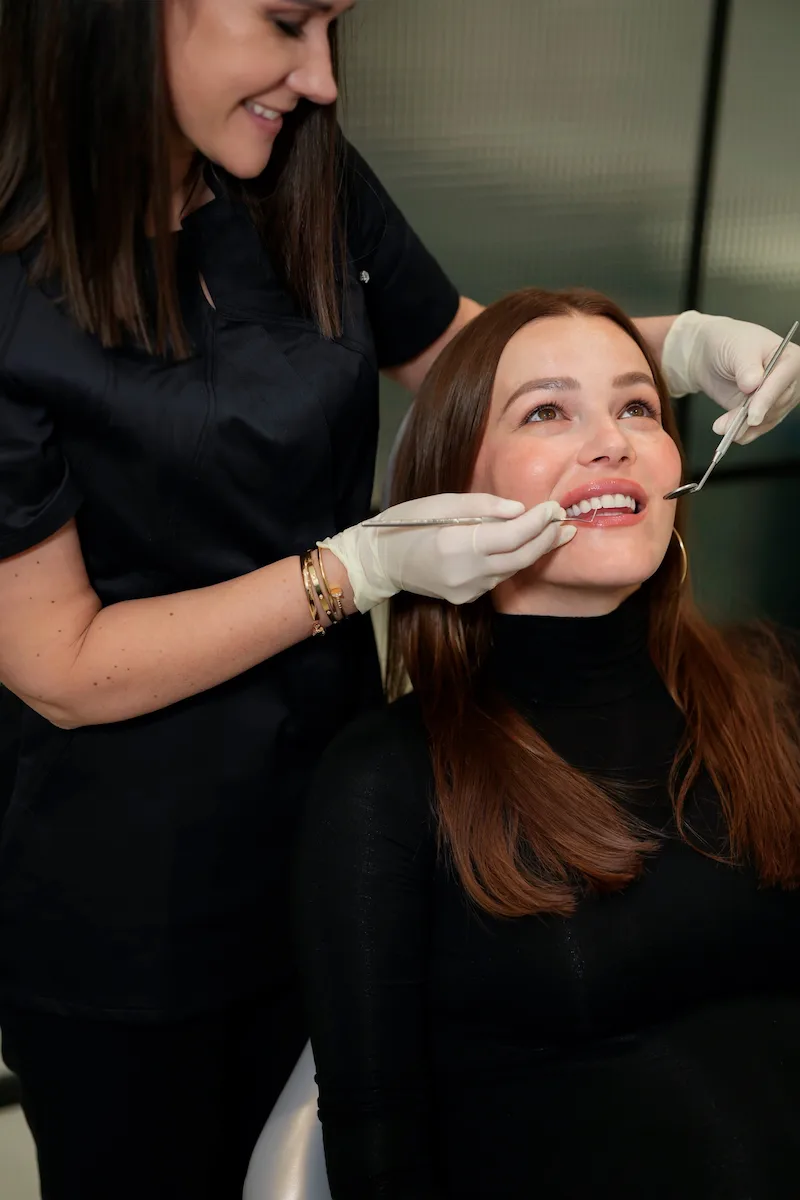
A dentist examining a patient's teeth in the chair
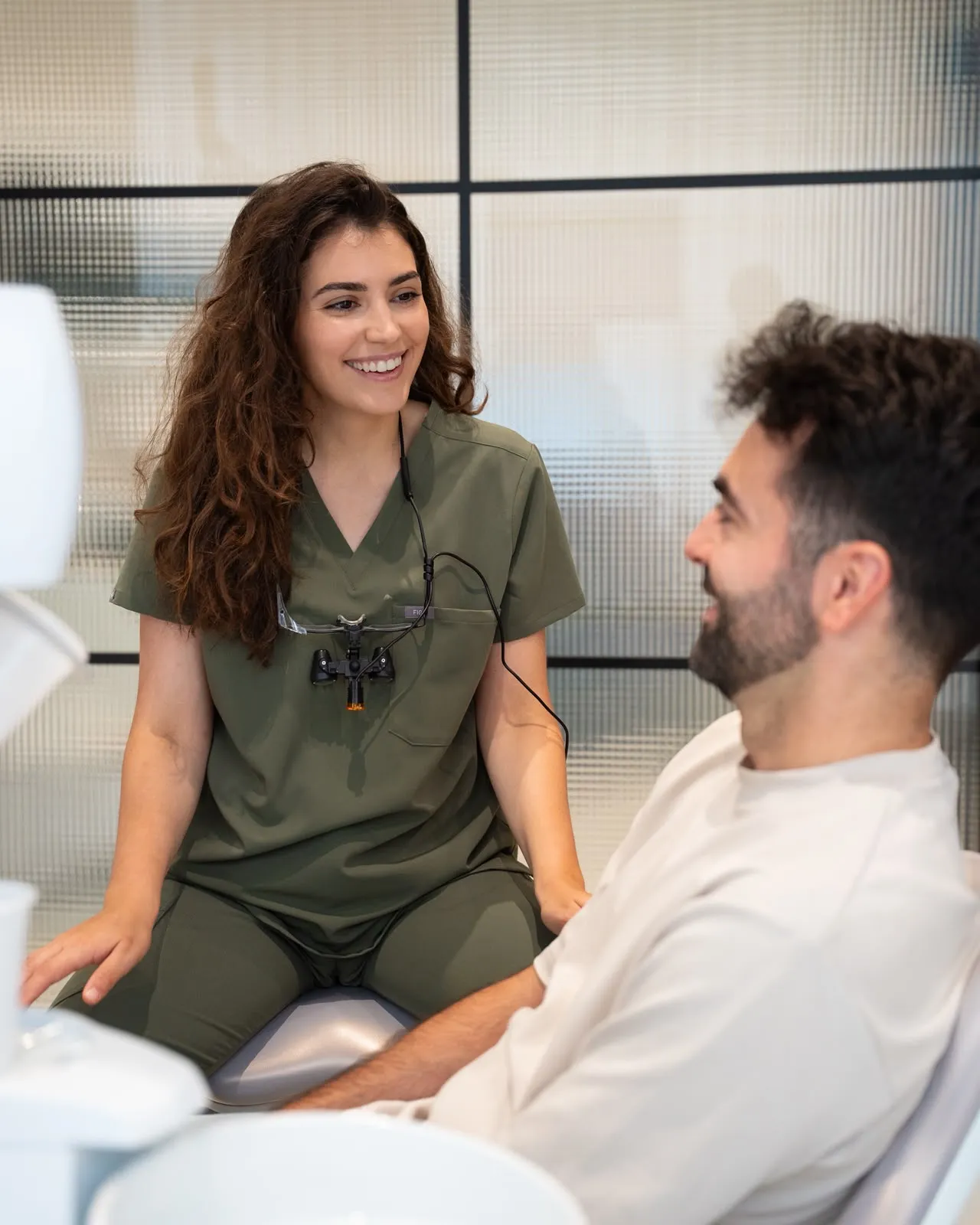
A dentist talking with a patient in a DC360 treatment room

When is conservative therapy not enough?

For periodontal diseases, the first step most often involves plaque control, professional cleaning, and thorough removal of deposits from the areas around and below the gums.

After the initial therapy, it is assessed how the tissues have responded.

If deep or hard-to-reach areas remain, if it is necessary to regenerate lost tissue or correct the position of the gingiva, a surgical procedure may be recommended.
DC360 PROCESS

What does a periodontal surgical procedure look like?

01

Periodontal assessment

We evaluate the gums, pocket depths, tooth stability, and the condition of the surrounding bone.
02

Preparatory therapy

If necessary, professional cleaning and non-surgical periodontal treatment are performed before surgery.
03

Procedure planning

We are determining the goal, area, and type of surgical approach.
04

Surgical procedure

The procedure is most commonly performed under local anesthesia and is adapted to the specific condition of the tissue.
05

Disposal and follow-up examinations

Depending on the type of procedure, the area is closed with stitches and you receive care instructions. We monitor healing and plan long-term professional and home hygiene.
Advantages

The standard we set

Individual approach

We create every therapy plan according to your condition, needs, and expectations, without universal solutions.

Careful planning

We base implant therapy on diagnostics, analysis, and a clear explanation of all steps.

Natural aesthetic result

We design the prosthetic restoration so that it harmoniously blends into your smile, bite, and facial features.

The team leading you

A team of experts guides you through the process, from the initial examination to the final check and maintenance of the results.
PRICE

What affects the price?

The price depends on the type of procedure, the number of treated teeth or areas, and the extent of the required therapy.
After the examination, you will receive a clear plan and information about the expected costs.
Get to know us

A team dedicated to every smile

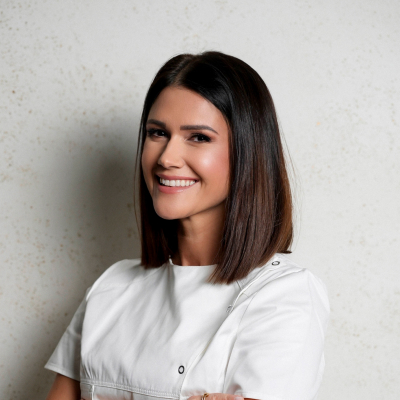
Dr. Marta Šeparović, founder and director of DC360
Marta Šeparović
founder and director
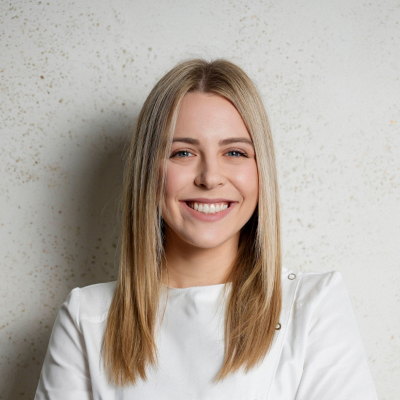
Ana Lucija Perković, doctor of dental medicine at DC360
Ana Lucija Perković
Doctor of Dental Medicine
Ivana Jukić, doctor of dental medicine at DC360
Ivana Jukić
Doctor of Dental Medicine
Lea Živoder, member of the DC360 team
Ivana Župić
Dental assistant
FAQ

Frequently asked questions

Is there anything else you are interested in? Contact us and we will get back to you shortly.

Periodontal surgery encompasses various surgical procedures on the gingiva, bone, and supporting tissues of the teeth.

It may be necessary when non-surgical treatment is not enough, when there are deep periodontal pockets, tissue loss, or a need for gum correction.

The procedure is usually performed under local anesthesia. Sensitivity, swelling, or discomfort may occur after the procedure, depending on its extent.

Initial healing takes less time, while complete tissue stabilization may require more time. The course depends on the type of procedure.

In certain forms of recession, it is possible to surgically cover part of the exposed root, but the result depends on the anatomy, tooth position, and condition of the surrounding tissue.

In certain cases, regenerative procedures aimed at promoting the regeneration of supporting tissue can be used. The possibility depends on the shape and extent of the bone defect.

No. Long-term control of periodontal disease requires daily oral hygiene and regular professional maintenance even after the procedure.

The disease can be reactivated if plaque and other risk factors are not controlled. Therefore, regular check-ups and hygiene appointments are an important part of long-term treatment.
Explore more

Related services

Scaling and air polishing

Removal of calculus and surface deposits that regular brushing cannot remove.

Corrective gum procedures

Esthetic correction of the gum line for a more harmonious ratio of teeth and smile.

A DC360 team member on the phone beside the clinic's branded counter
Contact

Restore function, safety and a natural smile

Send an enquiry and we will get back to you within 24 hours.

"*" indicates required fields

This field is for validation purposes and should be left unchanged.
Full name*
Max. file size: 8 MB.
NEWSLETTER

Tips and news from the clinic

Useful tips, answers to frequently asked questions, and news from the clinic, straight to your inbox.