DC360 — Dental Clinic 360 logo
DC360 — dental clinic logo

Surgical wisdom tooth extraction (alveotomy)

When a wisdom tooth does not have enough room to erupt properly, causes discomfort, or threatens surrounding tissues, its surgical removal may be necessary.
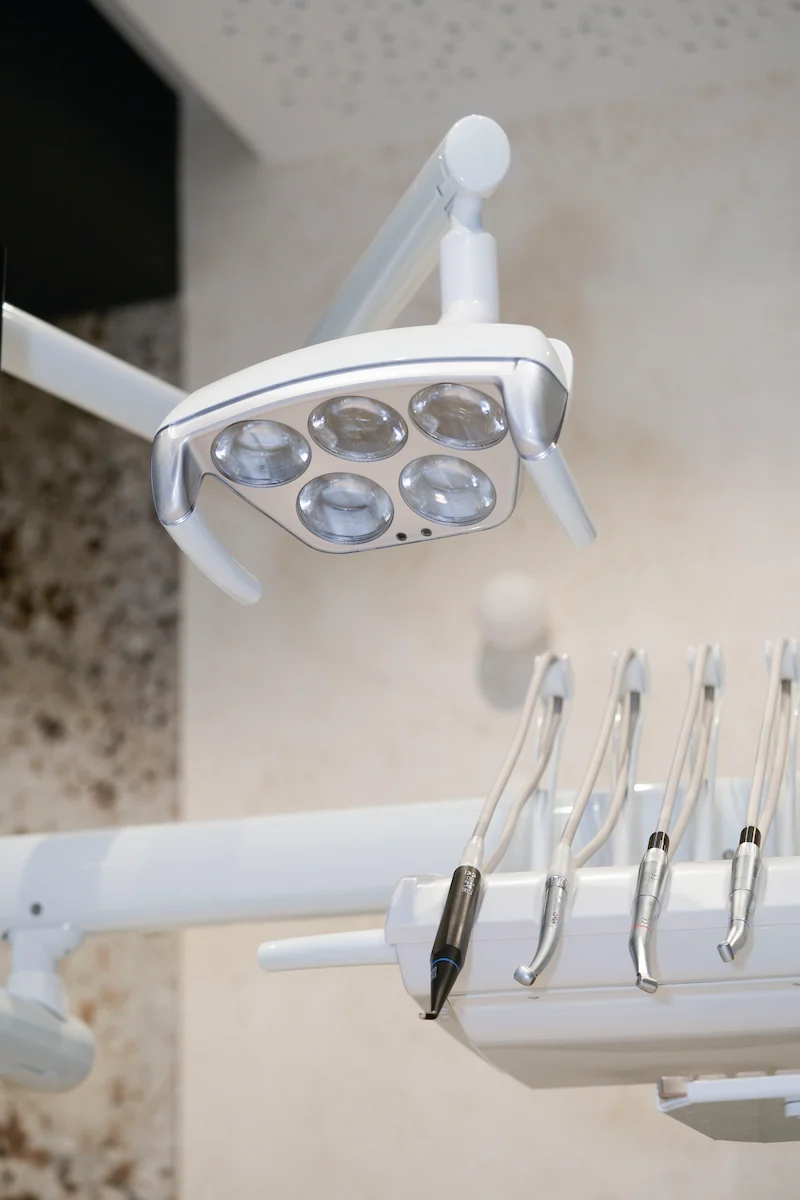
The dental light and instruments in a DC360 treatment room
CANDIDATES

When should a wisdom tooth be extracted?

Wisdom teeth do not need to be removed just because they exist. If they have erupted properly, are healthy, and can be kept clean, monitoring them is often sufficient.

Extraction may be recommended if:
  • The wisdom tooth causes recurring pain or inflammation
  • It has only partially sprouted and is difficult to maintain.
  • grow at an incorrect angle
  • presses against or damages the adjacent tooth
  • cavities or gum disease develops around the wisdom tooth
  • There is a cyst or other tooth-related lesion
  • His position poses a problem for the planned therapy.

What is an alveotomy?

Alveotomy is a surgical procedure used to remove a tooth that is partially or completely embedded within the bone or cannot be extracted by standard methods due to its position.

During the procedure, the tooth is accessed through the gum, and if necessary, a small amount of surrounding bone is removed or the tooth is divided into parts so that it can be carefully extracted.

The scope of the procedure depends on the position of the wisdom tooth, the shape of the roots, and its relationship to surrounding anatomical structures.
A DC360 team member beside the dental light
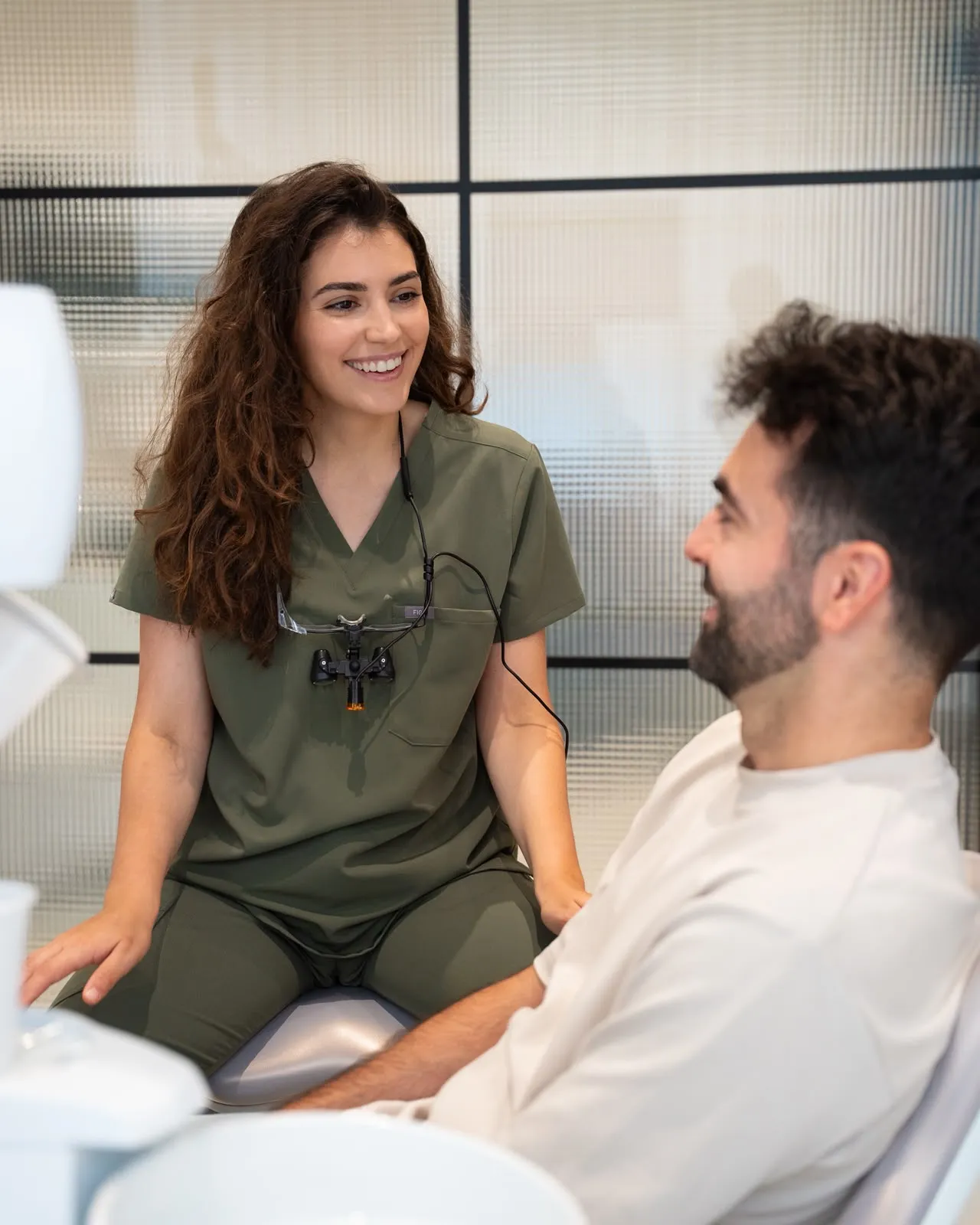
A dentist talking with a patient in a DC360 treatment room

Does every wisdom tooth have to be extracted?

No. A fully erupted, healthy, properly positioned wisdom tooth that can be well maintained does not necessarily require extraction.

For partially erupted or impacted wisdom teeth, the decision is made based on symptoms, findings, and the risk to surrounding teeth and tissues.

That is why the specific situation is evaluated before the procedure, and not just the fact that it is a wisdom tooth.
DC360 PROCESS

What does wisdom tooth extraction look like?

01

Review and diagnostics

We assess the position of the wisdom teeth and, if necessary, analyze an orthopantomogram or additional scan.
02

Procedure planning

We explain the tooth position, the expected scope of the procedure, and potential risks.
03

Local anesthesia

The area is anesthetized before the procedure begins.
04

Surgical removal

The wisdom tooth is removed using an approach tailored to its position in the jaw.
05

Disposal and instructions

The area is cleaned and, if necessary, closed with stitches. You receive recovery instructions, and a follow-up visit and removal of stitches are scheduled as needed.
Advantages

The standard we set

Individual approach

We create every therapy plan according to your condition, needs, and expectations, without universal solutions.

Careful planning

We base implant therapy on diagnostics, analysis, and a clear explanation of all steps.

Natural aesthetic result

We design the prosthetic restoration so that it harmoniously blends into your smile, bite, and facial features.

The team leading you

A team of experts guides you through the process, from the initial examination to the final check and maintenance of the results.
PRICE

What affects the cost of wisdom tooth removal?

The price depends on the position of the wisdom tooth, the complexity of the procedure, and the required diagnostics.
After the examination, we will explain the recommended procedure and expected costs to you.
Get to know us

A team dedicated to every smile

Dr. Marta Šeparović, founder and director of DC360
Marta Šeparović
founder and director
Ana Lucija Perković, doctor of dental medicine at DC360
Ana Lucija Perković
Doctor of Dental Medicine
Ivana Jukić, doctor of dental medicine at DC360
Ivana Jukić
Doctor of Dental Medicine
Lea Živoder, member of the DC360 team
Ivana Župić
Dental assistant
FAQ

Frequently asked questions

Is there anything else you are interested in? Contact us and we will get back to you shortly.

The decision is based on symptoms, clinical examination, and the position of the tooth on the radiograph. A wisdom tooth without problems does not always need to be removed.

The procedure is performed under local anesthesia. After the procedure, pain, swelling, and limited mouth opening may occur, especially after more complex extractions.

The most pronounced symptoms are usually present during the first few days, while healing takes longer. Recovery depends on the complexity of the procedure and individual reaction.

The swelling may increase during the first few days and then gradually decrease. The exact course varies among patients.

After the anesthesia wears off, softer food and chewing on the opposite side are usually recommended, along with following the instructions provided.

For certain lower wisdom teeth, a three-dimensional scan can help more precisely assess their relationship to important anatomical structures.

No. Each wisdom tooth is evaluated individually based on position, symptoms, and potential risk.

If the pain suddenly intensifies after initial improvement, pronounced swelling, fever, heavy bleeding, or other unusual symptoms appear, it is necessary to contact a doctor.
Explore more

Related services

Tooth extraction

A stable, safe, and long-term solution for tooth replacement, with a treatment plan tailored to your smile.

Initial examination and consultation

Introduction to the condition of your teeth and gums, and discussion of possible next steps.

Orthopantomogram / CBCT / Targeted X-rays

Digital scans that provide precise insight into the condition of the teeth, roots, and jawbone.

A DC360 team member on the phone beside the clinic's branded counter
Contact

Restore function, safety and a natural smile

Send an enquiry and we will get back to you within 24 hours.

"*" indicates required fields

This field is for validation purposes and should be left unchanged.
Full name*
Max. file size: 8 MB.
NEWSLETTER

Tips and news from the clinic

Useful tips, answers to frequently asked questions, and news from the clinic, straight to your inbox.